
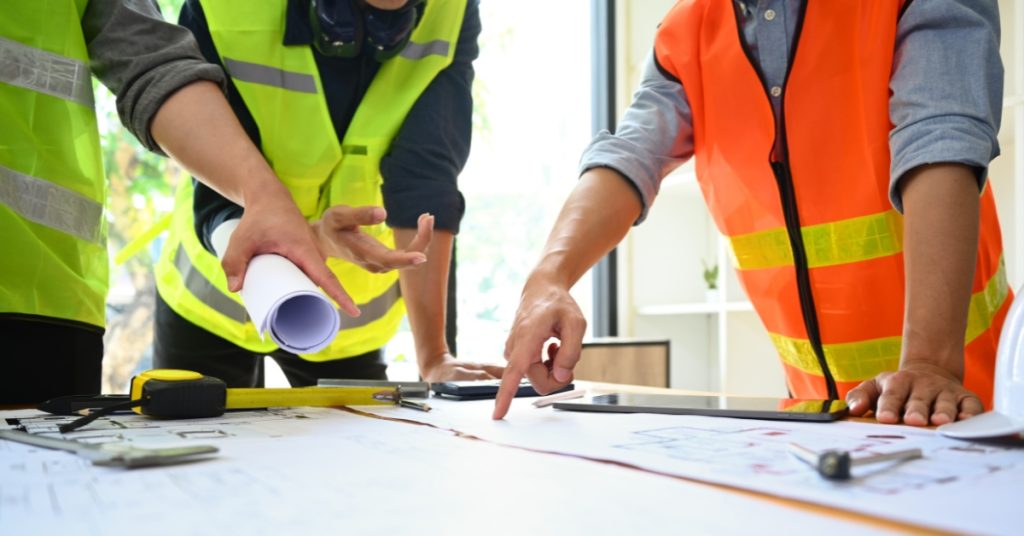
Choosing a Construction Partner
Commercial construction in Utah is booming—but success depends on more than just demand. Poor planning, miscommunication, and avoidable delays can cost investors time, money, and confidence.
At PJ Goodwin Enterprises, we bring strategy, structure, and investor-focused leadership to every commercial project we manage. This blog breaks down the most common challenges in commercial construction—and what you can do to protect your investment from day one.
Common Project Challenges That Cost Investors Time and Money
Most construction problems don’t happen overnight. They build up slowly—until you’re facing delays, lost capital, or tenants who are ready to walk.
1. Poor Planning in the Early Stages
Without accurate pre-construction estimates, cost modeling, or permitting timelines, projects often start with unrealistic expectations—and unravel fast. A lack of clarity at this stage means every step after is built on a shaky foundation.
2. Everyone’s on a Different Page
When contractors, inspectors, city officials, and investors aren’t aligned, it creates a domino effect of delays, rework, and added costs. Even one small miscommunication can trigger weeks of project disruption.
3. Disorganized Subcontractors and Vendors
Multiple crews without clear oversight results in overlaps, missed deadlines, and subpar quality. When no one is coordinating their schedules or deliverables, chaos follows.
4. No One Knows Who’s in Charge
Without a clear point of accountability, problems linger. Delays compound. And no one is willing to own the outcome. This leads to confusion and frustration among everyone involved.
5. Unclear Budget Controls
Draw schedules without documentation. Payments made before work is inspected. No transparency in where the money’s going. It’s a recipe for risk—and regret.
6. Limited Communication Between Stakeholders
When architects, engineers, contractors, and clients aren’t working from the same roadmap, simple miscommunications can lead to expensive detours. Emails get lost. Calls go unreturned. And you’re left wondering where things stand.
7. Inflexible or Poorly Defined Change Orders
Unexpected changes are common in construction—but without a clear process for managing them, they create chaos and delay. Investors end up footing the bill for disorganization they didn’t cause.
8. Overpromised Timelines
Many GCs try to win the job by saying yes to everything. They promise quick completions that don’t account for weather delays, permit timelines, or supply chain issues. It sounds great—until reality hits.
9. Lack of Permit Strategy
Permits are one of the biggest delays in commercial construction. Without someone who understands the local process and timelines, even a small paperwork issue can set your schedule back weeks or months.
Top Warning Signs a Project Is Going Off Track
The earlier you can spot trouble, the easier it is to fix. Here are some key red flags to watch for:
Inconsistent Updates
If you’re getting vague or infrequent updates, there’s probably a lack of clear coordination behind the scenes.
Scope Creep Without Documentation
When additional tasks keep getting added without formal change orders or timeline adjustments, your budget and schedule are in danger.
Delays with No Explanation
If things are slowing down but no one can clearly explain why, it’s a sign that key decisions or steps were missed.
Subcontractor Finger-Pointing
Blame-shifting between teams means no one’s truly managing the process—and accountability is lacking.
Last-Minute Inspection Problems
If inspections are being scheduled too late or failing repeatedly, there’s likely poor communication with the city and/or poor quality control.
Unclear Payment Milestones
When invoices are arriving without clear progress tracking, it’s time to revisit your draw schedule and financial documentation.
Best Practices for Commercial Construction Success
At PJ Goodwin Enterprises, we take a different approach—one that’s designed around your timeline, budget, and long-term ROI.
Here’s how we set up your project for success:
Structured Pre-Construction Planning
We provide early-stage cost modeling, permitting estimates, and realistic timelines so you know exactly what to expect—before you break ground.
Centralized Communication
You get one point of contact, one set of updates, and one person keeping every stakeholder aligned. No chasing updates. No confusion.
Subcontractor & Vendor Coordination
We handle the bidding, scheduling, and documentation so your crews stay on track—and your project stays on time.
Transparent Financial Management
Our bank-friendly draw process ensures that every dollar is documented, justified, and accounted for.
City & Inspector Coordination
We proactively schedule inspections and manage approvals to avoid costly bottlenecks or red tape.
Clear Project Completion Tasks
From the final walk-through checklist to certificate of occupancy, we make sure nothing is missed and everything is signed off.
Investor-Focused Oversight
We make decisions with your bottom line in mind—keeping your priorities at the center of every phase.
Accountability at Every Stage
We don’t pass the buck. We keep projects moving and handle problems before they throw your project off track.
Real-World Results That Build Confidence
We’ve delivered over $250 million in successful builds across Utah and beyond. We understand the construction side—and the investment side. That’s what makes our process different.
We don’t just “get the job done.” We manage the project like your money depends on it—because it does.
Key Statistics Every Commercial Investor Should Know
According to McKinsey, large construction projects typically take 20% longer to finish than scheduled and run up to 80% over budget. A study by Autodesk and FMI found that 72% of contractors blamed poor coordination across teams as the leading reason projects ran behind schedule or over budget.

Closer to home, the commercial construction boom in Utah has faced recent high-profile setbacks. As interest rates climbed and costs rose, several major private developments ran into disputes over unpaid subcontractors, delayed materials, and violations of construction safety protocols. In one example, the use of improper building materials led to a city-ordered stop-work directive due to fire hazard concerns. Other subcontractors filed claims citing non-payment for labor and equipment—compounded by complicated pay structures that delayed their ability to recoup costs.

These types of challenges aren’t rare. But with the right partner who knows how to lead from the front and navigate city processes, subcontractor agreements, and client expectations, they’re also avoidable.
FAQs: Commercial Construction, Simplified
Do you only work on new builds?
No. We handle ground-up builds, tenant improvements, and project coordination at any phase of a commercial construction project.
What types of investors do you work with?
No. We handle ground-up builds, tenant improvements, and project coordination at any phase of a commercial construction project.
What’s different about your approach?
No. We handle ground-up builds, tenant improvements, and project coordination at any phase of a commercial construction project.
Are you licensed in Utah?
No. We handle ground-up builds, tenant improvements, and project coordination at any phase of a commercial construction project.
What’s the first step?
No. We handle ground-up builds, tenant improvements, and project coordination at any phase of a commercial construction project.